
Materials & production with purpose
Every product in our range is made with carefully chosen materials and a clear commitment to the environment. We favour natural, recycled and renewable raw materials — and we're constantly exploring new possibilities, from vegetable-tanned leather to experimental materials made from fruit-industry by-products.
We select our producers based on working conditions, wastewater management and overall environmental responsibility. As a retailer, that means you can confidently stand behind every product you sell.
What we do in practice
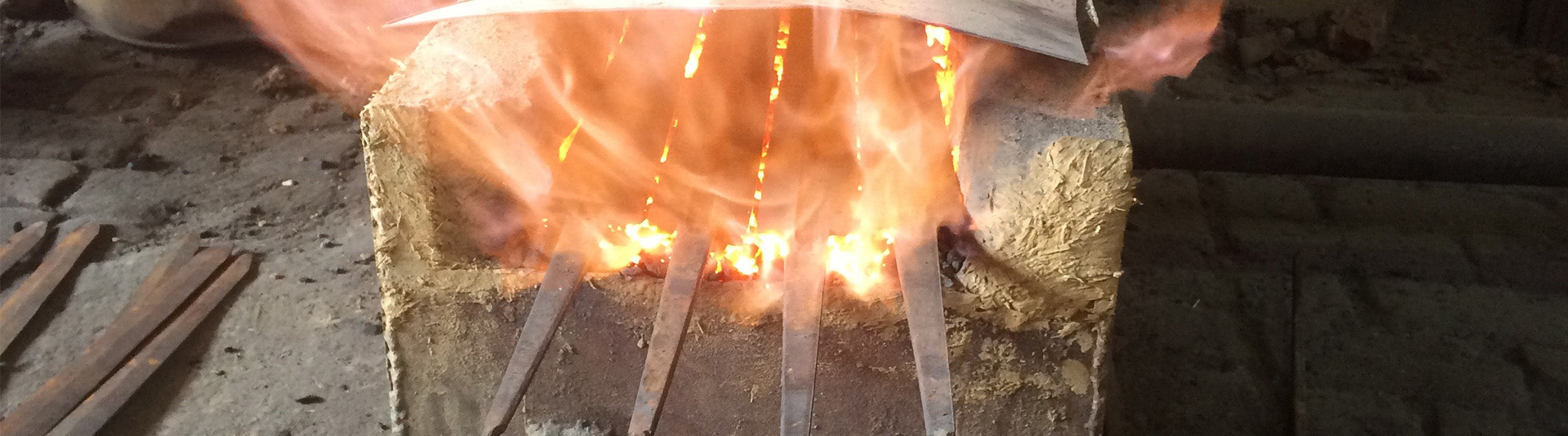
Recycled iron — Most of our wrought iron already comes from industrially recycled material, and the share of recycled brass is growing steadily.
Responsibly sourced wood — All our wood is legally procured. Wherever possible we use cultivated species like mango, offcuts from other production runs, or European birch. Our new range of wooden toys, made in Ukraine from European birch, was specifically designed to cut transport distances and carbon emissions.
Handmade paper — The paper in our notebooks is handmade from recycled cotton fibre — a waste product from the textile industry that would otherwise go to landfill.
Smarter packaging — Every B2B order ships without virgin plastic. We reuse boxes and packing materials, and any plastic we receive from our producers is repurposed as cushioning rather than thrown away.
Horn, bone, wood, leather, wool, linen — we work with natural materials that humans have used for thousands of years. Each material group is chosen for its durability, aesthetics, and authenticity.
All horn and bone we use comes from domesticated cows and is a by-product of the food industry, mainly from India and Nepal — a significant part of our range. No animal is slaughtered for our products. All leather we use is a by-product of the meat industry, never from animals raised for their hides.

From Cow Horn to Art
Horn has been used by artisans for millennia — it is one of humanity's oldest materials. All cow horn we use is a by-product of the food industry, resulting in minimal environmental footprint.
The process: The horn is cleaned, sorted by size and quality, boiled to become malleable, hand-shaped, and polished to a smooth finish. Each step requires experience and a delicate touch.
The result is combs, spoons, mugs, jewellery, and decorative objects — a significant part of our B2B range and a product category with a compelling story.

Iron & Brass — Forging and Casting
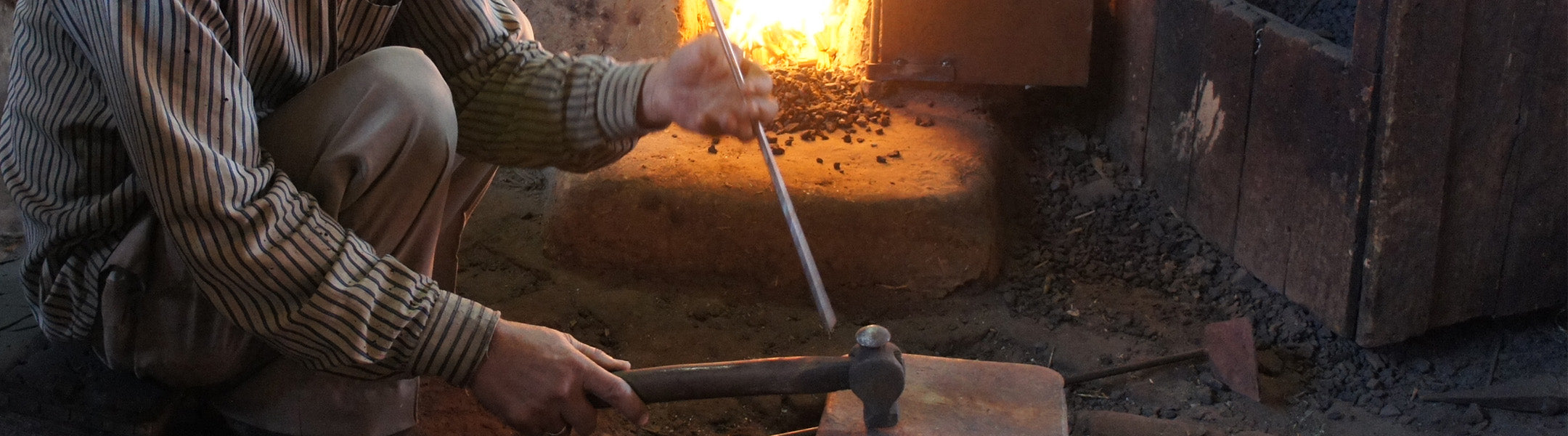
Metalwork is central to the Nordic craft tradition. Our smiths belong to the Lohar minority in northwestern India. They are traditionally nomads, itinerant smiths who have practised their craft for hundreds of years. We employ their finest master smiths and by combining traditional techniques with modern demands for quality and environmental responsibility, we both develop their skills and help keep ancient craft traditions alive.
The majority of our wrought iron is made from industrially recycled iron. We are progressively increasing the share of recycled brass in all casting. Methods range from sand casting to cire perdue (lost-wax) — techniques used for thousands of years.
Every forged and cast object bears traces of the craftsman's hand — small variations that make each product unique. It is a quality that machine-made products can never replicate.
Textiles, Paper & Glass Beads
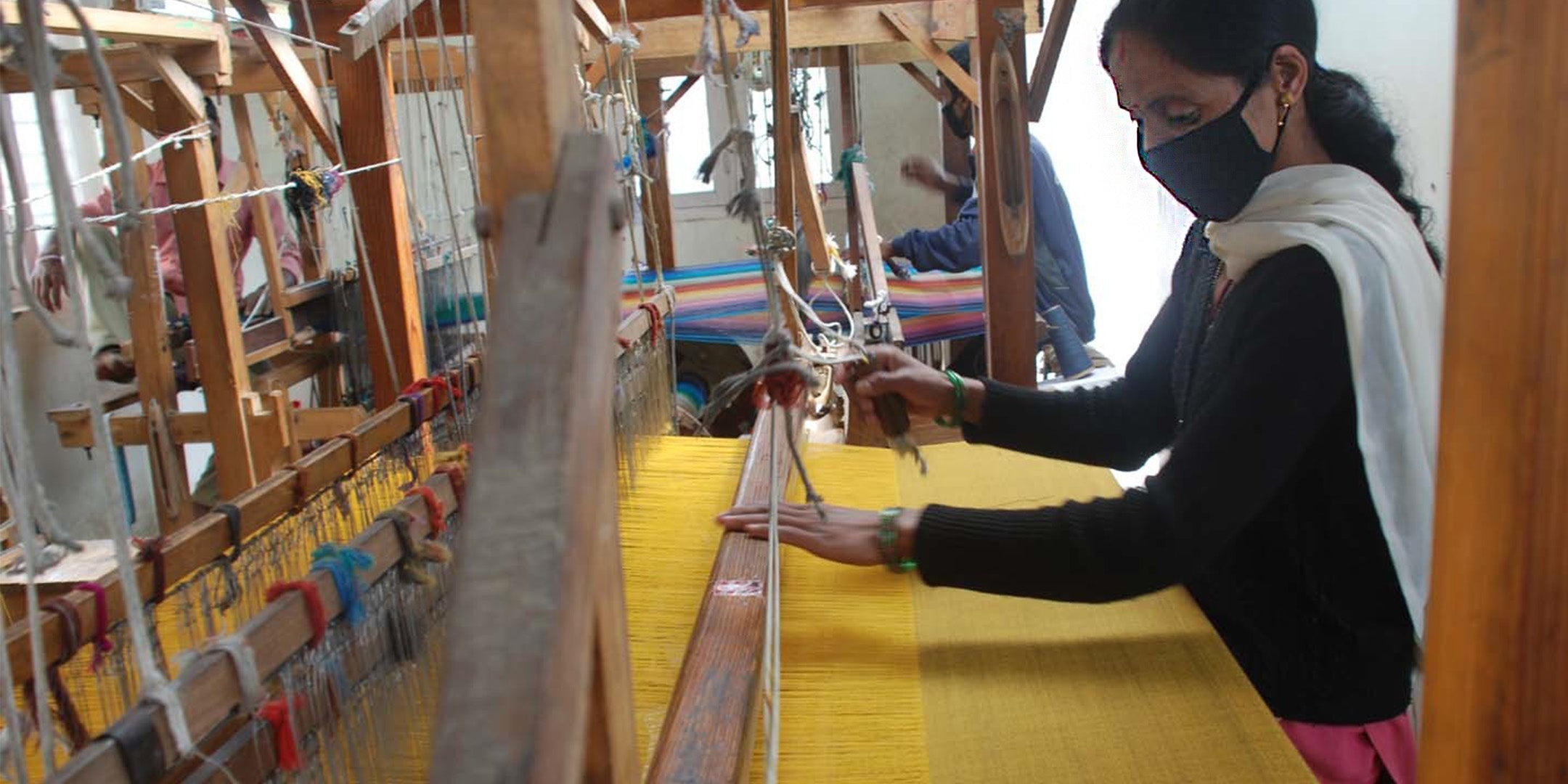
Recycled textiles — Our bead bags and textile products are made from recycled fabric, giving new life to materials that would otherwise be discarded.
Felted wool — Handmade by women's cooperatives in Nepal using natural pigments and entirely without machines. Each product supports economic independence for women in vulnerable communities.
Handmade paper — Our notebooks and journals contain paper made from recycled cotton fibre — a waste material from the textile industry. Each sheet is made by hand.
Glass beads — Hand-formed in northern India using techniques passed down through generations. The glass is heated over an open flame and shaped with simple tools into beads of unique character. An important part of our jewellery range.
From Raw Material to Finished Product
Every product in our range passes through many hands before it reaches your store. The lengthy production process — from raw material to finished product — means lower energy consumption and less waste compared to industrial mass production.
Small variations in shape, colour, and texture are a hallmark of genuine craftsmanship, not a defect. This is precisely what makes each product unique and gives it a story to tell.
Our quality assurance is built on over 20 years of relationships with our producers — not on checklists and certifications. We regularly visit our producers on-site, communicate directly, and resolve any issues personally.
This gives you as a retailer a confidence that is hard to match with anonymous supply chains.
Want to Know More?
Want to learn more about our sustainability work and how we choose our producers?
Visit our Sustainability — Environment & People page for more about our environmental profile, social responsibility, and ongoing improvement work.
Contact us for more information or order directly in our store.
Tone & Elias — Nordlys Viking since 2004